Hotel parking demand research helps hotels understand how many parking spaces guests actually need. By studying parking usage patterns, hotels can manage their parking areas more efficiently. Hotel Parking Demand Analysis allows hotels to identify peak parking times, reduce congestion, and improve overall parking operations. This process also helps maximize parking revenue and enhance guest satisfaction. With proper Hotel Parking Demand Analysis, hotel management can create better parking policies and ensure smooth vehicle movement throughout the property. Implementing Hotel Parking Demand Analysis ultimately supports smarter planning and a better parking experience for guests.
Factors Influencing Parking Demand in Hotels
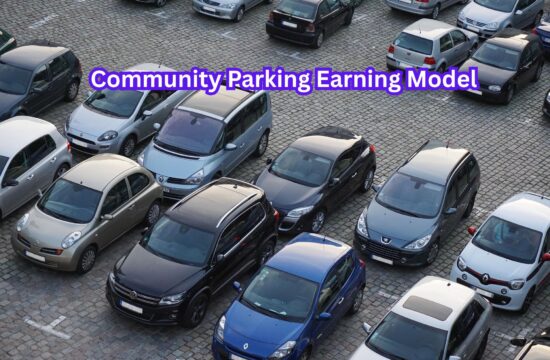
Hotel parking demand is influenced by a number of things. Parking requirements are influenced by the number of guests, the hotel’s location, neighboring attractions, and the accessibility of public transportation. While demand for resort hotels may rise on weekends or holidays when more guests travel in their own cars, demand for business hotels may be higher throughout the week.
Data Collection for Parking Demand Analysis
To comprehend hotel parking demand, accurate data collecting is crucial. Hotels are able to monitor peak parking hours, vehicle counts, and entry and leave times. Smart sensors, ticketing devices, and digital parking systems all contribute to the effective collection of this data. This information sheds light on the frequency of parking space usage and peak demand periods.
Peak Time and Occupancy Evaluation
Hotels can better utilize their space by analyzing peak parking times. Check-in and check-out hours are often peak times. The hotel may host weddings, conferences, or special events that raise demand for parking. By being aware of these trends, hotels may avoid parking shortages and get ready for peak times.
Impact of Parking Demand on Guest Experience
The guest experience is directly impacted by parking availability. Guests are happier and more at ease when they can find parking with ease. On the other hand, inadequate or unmanaged parking can be annoying. Hotels may enhance parking accessibility, shorten wait times, and give visitors a more seamless arrival experience by performing demand analysis.
Using Technology to Improve Parking Management
Analysis of hotel parking demand heavily relies on modern technology. Mobile apps, license plate recognition cameras, and smart parking systems all aid in the management and observation of parking spots. These technologies make parking quicker and easier by enabling hotels to monitor real-time availability and direct cars to available spaces.
Strategies to Optimize Hotel Parking Demand
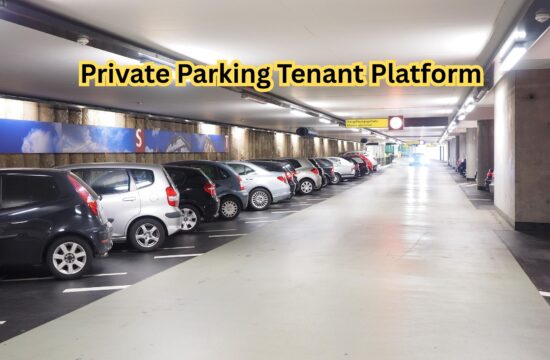
Hotels can use a number of tactics to efficiently handle parking demand. These consist of shared parking with neighboring facilities, reservation-based parking, and valet parking services. In order to maximize space use and create additional money, hotels may also make unused parking spaces available to the public during periods of low occupancy.
Conclusion of Hotel Parking Demand Analysis
For effective parking management and increased guest satisfaction, hotel parking demand analysis is crucial. Hotels can maximize space utilization and boost revenue prospects by utilizing contemporary technology and comprehending parking routines. A well-thought-out parking strategy helps hotels maximize their parking resources while guaranteeing that visitors have a comfortable stay.